

Introduction of the USB Type-C
USB Type-C is an interface standard. Its biggest feature is that it can support double-sided insertion of the USB interface. At the same time, the data cable supporting USB is also thinner and lighter.
The interface shape is shown in the picture below:
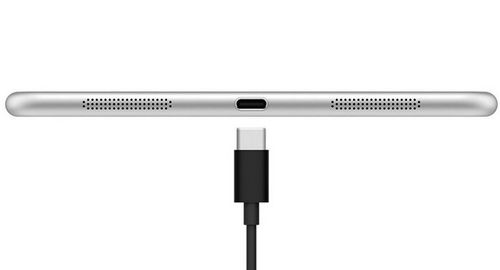
The USB Type-C interface has the following characteristics:
1. The size of the Type-C interface socket is about 8.3mm × 2.5mm, which is a slim design. The data cable and micro USB are not universal;
2. The USB Type-C supports the double-sided insertion that can be inserted from both sides and can withstand 10,000 times repeated plugging and unplugging;
3. The early Type-C cable can pass 3A electric current and provide a maximum power supply of 100W. After generations of development, the Type-C cable supporting the E-maker chip can carry 5A or even higher electric current and power supply capabilities;
4. Type-C, USB-C and C port are all abbreviations of USB Type-C interface;
5. The Type-C interface has no direct relationship with the direct transmission rate and power supply.
Note:
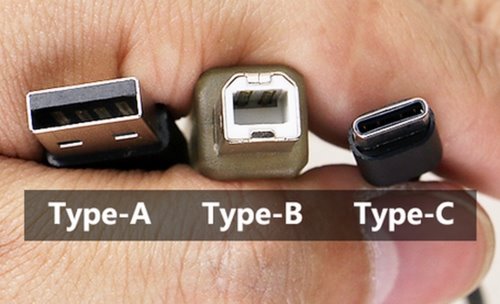
1. USB Type-C, Type-A, and Type-B are only different in the shape of the interface. Type-A is a common USB plug, and Type-B is a plug used by many printers and monitors for data transmission (as shown below);
2. Currently, the Type-C interfaces of most mobile phone manufacturers are USB 2.0 standards. You can check the standards of specific devices by searching the USB Interface Type on the internet.
The interface shape is shown in the picture below:
The USB Type-C interface has the following characteristics:
1. The size of the Type-C interface socket is about 8.3mm × 2.5mm, which is a slim design. The data cable and micro USB are not universal;
2. The USB Type-C supports the double-sided insertion that can be inserted from both sides and can withstand 10,000 times repeated plugging and unplugging;
3. The early Type-C cable can pass 3A electric current and provide a maximum power supply of 100W. After generations of development, the Type-C cable supporting the E-maker chip can carry 5A or even higher electric current and power supply capabilities;
4. Type-C, USB-C and C port are all abbreviations of USB Type-C interface;
5. The Type-C interface has no direct relationship with the direct transmission rate and power supply.
Note:
1. USB Type-C, Type-A, and Type-B are only different in the shape of the interface. Type-A is a common USB plug, and Type-B is a plug used by many printers and monitors for data transmission (as shown below);
2. Currently, the Type-C interfaces of most mobile phone manufacturers are USB 2.0 standards. You can check the standards of specific devices by searching the USB Interface Type on the internet.
Does it help?
Yes
No