

Mi Home Handheld Wireless Vacuum Cleaner FAQ
Overview
1. Q: What is a vacuum cleaner?
A: A vacuum cleaner is a device that uses a motor turn a fan that rotates at a high speed to generate negative air pressure in a sealed box, which is used to suck up dust. Household vacuum cleaners are mainly used to suck up dust or debris on the ground, and can be used in place of dusters so as to reduce labor and improve the comfort of the living environment.
2. Q: What types of household vacuum cleaners are there? What are their differentiating characteristics?
A: Vacuums can be classified according to their dust separation technology. There are bag vacuums, bag-free vacuums, and water filter vacuums.
1) Bag Vacuums
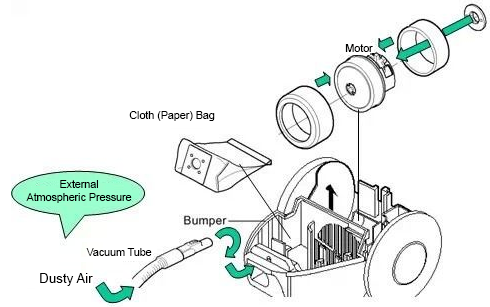
A mixture of air, dirt and other garbage are sucked into the vacuum bag. The garbage and dirt are trapped in the bag, while the air is pushed out.
Advantages: There is no need to clean the dust bag, and the dust bag can be removed and discarded after use.
Disadvantages: The hole leading into the bag gets clogged easily. The effectiveness of the filter goes down over time, which effects the life of the vacuum's motor. The bags need to be replaced frequently. They are not reusable.
Note: Some manufacturers use dust boxes. They work similar to bags, but the materials used are different.
2) Bag-free Vacuums (Cyclone Filter)
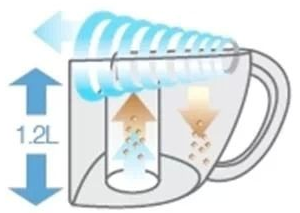
Bag-free vacuums are usually called cyclone vacuums. The process for collecting dirt is a bit more complicated. They use centrifugal force to extract dust from air by spinning the air in a circle within an air cartridge. Because the dirt is heavier, it falls to the bottom of the cartridge. The remaining air then passes through a protective filter and a HEPA filter before exiting the vacuum.
Advantages: The cyclone filter doesn't get blocked easily. The effectiveness of the filter does not go down. High power suction can be maintained continuously. There is no need to buy new vacuum bags.
Disadvantages: The cost of the vacuums is higher. The garbage in the dust bin needs to be manually dumped out after use.
3) Water Filter Vacuums
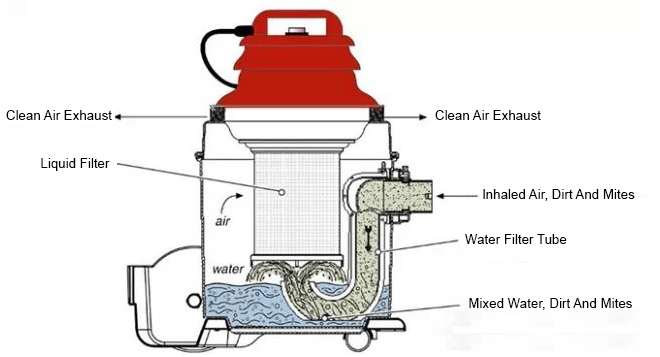
These vacuums are rare in China. They use water as a filter. First, the dust and microorganisms are sucked up and trapped in water. Then the air is filtered through a filter. The air discharged is cleaner than the air sucked up. There is no need to worry about secondary pollution.
Advantages: The filtering effect is good.
Disadvantages: High cost. The water needs to be dumped out after every use. The water compartment needs to be cleaned after each use, or else mold will grow or the internal parts will rust.
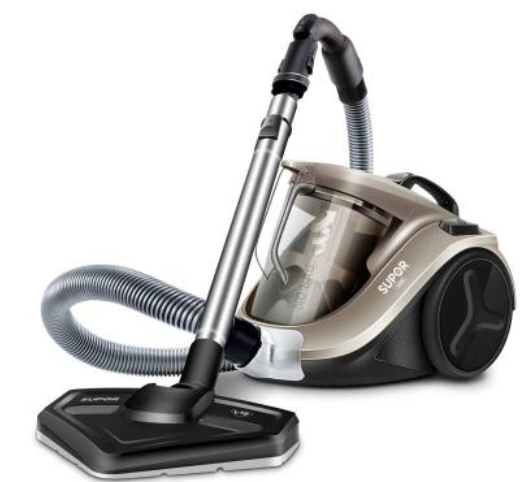
2. Vacuums can also be separted based on their appearance. There are horizontal vacuums, upright vacuums, hand-held vacuums, barrel-shaped vacuums and robot vacuums.
1) Horizontal Vacuums
Advantages: Large capacity, strong suction and cost-effective.
Disadvantages: Need power supply, which restricts the cleaning range. The vacuum cleaner needs to be dragged from place to place.
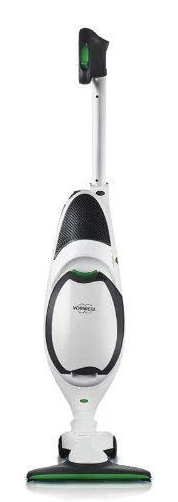
2) Upright Vacuums
Advantages: No need to drag the vacuum around. Operating the vacuum is comfortable and easy. The straight vacuum pipe doesn't lose as much suction to friction, so less energy is lost.
Disadvantages: Vacuum is heavier. The vacuum can't be used to vacuum high-up spots or on the bed.
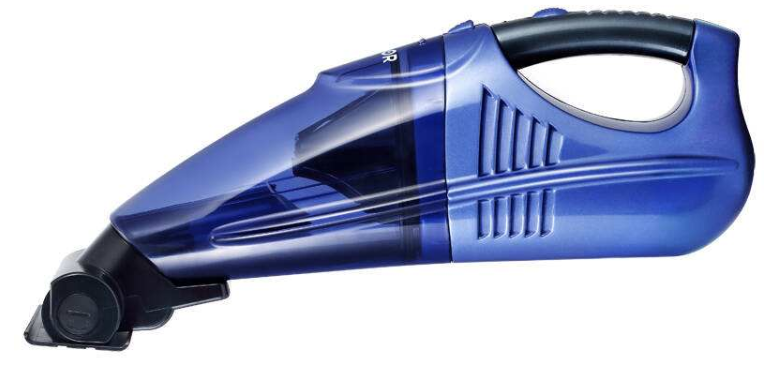
3) Hand-held Vacuums
Advantages: Lightweight and easy to carry or use. Long vacuuming rod or bed brush can be used to vacuum high-up locations.
Disadvantages: The suction is relatively small and the dust cartridge is small, and needs to be cleaned frequently.
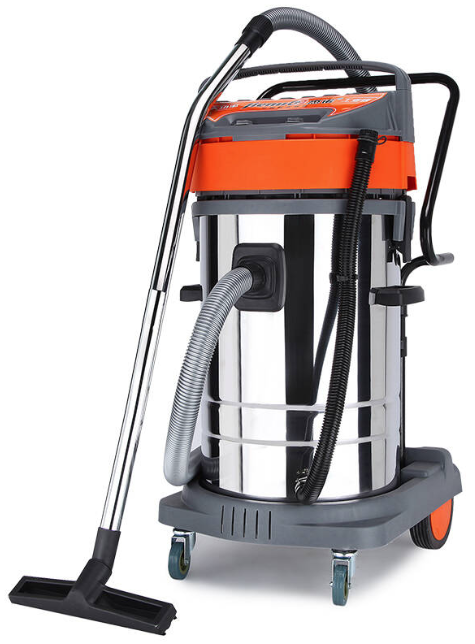
4) Barrel-shaped Vacuums
Advantages: Mainly used in commercial settings. Not often used at home. Oftentimes suitable for dry and wet cleanups. Strong suction. Large dust cartridge capacity.
Disadvantages: Not suitable for household use because of large size, loud noise and high price.
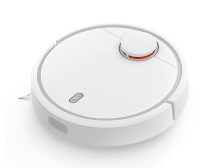
5) Robot Vacuums
Advantages: No need for human labor. Automated cleaning. Effortless.
Disadvantages: Only certain environments can be cleaned effectively. Only unoccupied floor space can be cleaned. Cleaning effectiveness is not guaranteed.
3. Q: What are the distinguishing characteristics of my Mi Home Hand-held Wireless Vacuum Cleaner?
A: The Mi Home Hand-held Wireless Vacuum Cleaner uses a brushless BLDC vacuum fan with a maximum speed of 100,000 RPM. The double cyclone dust separation technology guarantees a constant suction of 100AW. The 3-stage filter has a filtration efficiency of 99.97%, ensuring that the discharged air is fresh and clean. The vacuum comes with a variety of vacuum heads that can be used to vacuum dust from the ground, cracks or surfaces overhead and even the mites or dander on the bed. The 2500mAh large capacity 18650 battery guarantees long battery life of up to 30 minutes. Mature technologies protect your vacuum from overheating or over charging, so that you can enjoy the cleaning process worry free.
4. Q: What is the suction unit AW?
A: The suction unit AW is an abbreviation of Airwatts, which is used to measure pneumatic power. Measurements like vacuum and suction number do not truly reflect the actual working capacity of the vacuum cleaner. Because the vacuum cleaner continuously draws in air in order to capture dust, only AW can comprehensively reflect the ability to ensure the air flow and negative pressure necessary for the vacuum's operation. At present, many manufacturers use AW to gauge the ability of their products.
AW is calculated as air pressure (vacuum) multiplied by airflow, which is a measurement that better reflects the performance of the vacuum cleaner.
Product Introduction and Usage
1. Q: What is the function of the MAX button? How do I use it?
A: Press the vacuum cleaner's trigger. After the fan starts working, press the MAX button and the vacuum cleaner will enter MAX mode. After the trigger is released, the fan will stop and MAX mode will be turned off. If you press the trigger again, the vacuum will turn on its standard mode again.
2. Q: How many vacuum heads come with the Mi Home Hand-held Wireless Vacuum Cleaner? What is the role of each one?
A: The Mi Home Hand-held Wireless Vacuum Cleaner comes with: a crevice tool, a brush tool, an electronic bed brush, and an electronic floor brush.
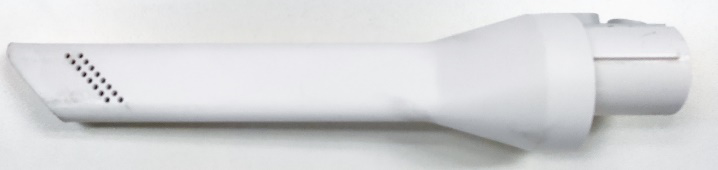
Crevice Tool:
Can be used to clean almost all areas, such as corners, trim, ceilings, robot vacuum filters, car interiors, etc.
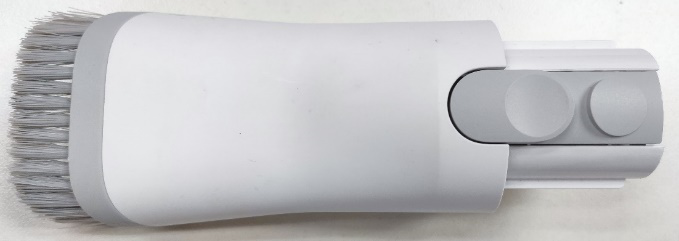
Brush Tool:
The brush tool has softer bristles at its front, which are suitable for cleaning places that need to be brushed first, such as curtains, leather sofas, keyboards, cloth, etc.
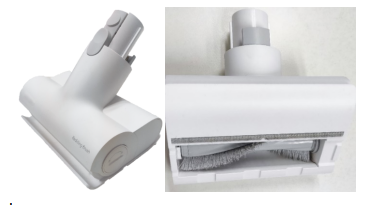
Electric Bed Brush:
The bottom of the bed brush has motor-driven rotating bristles, which are suitable for cleaning a wide range of fabric materials, such as beds, quilts, fabric sofas, and short fiber carpets.
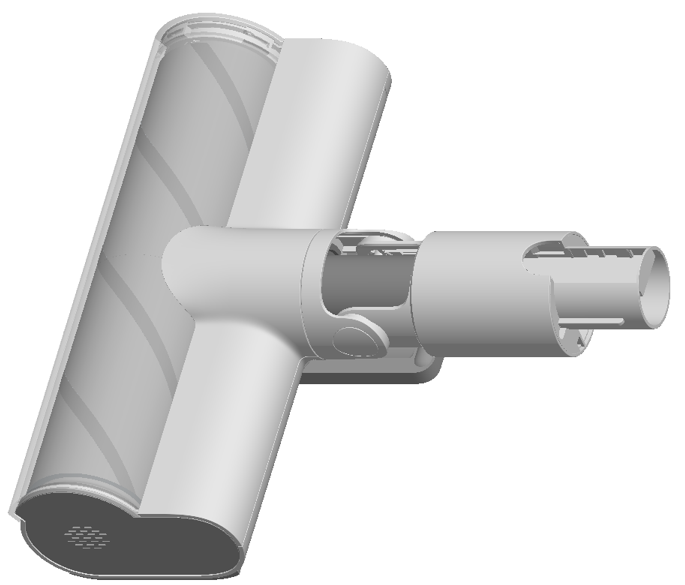
Electric Floor Brush:
On the bottom of the ground brush there is a motor-driven roller brush that can clean most hard floors and some soft velvet carpets, i.e. wooden floors, tiled floors, marble floors and etc.
3. Q: Why are there two rows of small holes on both sides of the crevice tool?
A: The small holes on the crevice tool are venting holes, which ensure sufficient airflow to generate suction.
4. Q: Can my Mi Home Hand-held Wireless Vacuum Cleaner be used for dry and wet cleanups?
A: The Mi Home Hand-held Wireless Vacuum Cleaner should only be used for dry cleanups. The vacuum has a waterproof design. Thus, the vacuum will continue working even if a small amount of water is sucked up by accident. However, the vacuum is not intended to be used on liqued cleanups, especially sticky liquids, i.e. cola, jam, porrige, etc. If you accidentally vacuum up a liquid, you will need to disassemble and remove the dust cartridge and cyclone tube assembly of the vacuum cleaner, put the motor unit in a cool place to dry, and wash the dust cartridge, the orange vacuum tube, the pre-filter, the post-filter, etc.
5. Q: Is it okay for me to charge my Mi Home Hand-held Wireless Vacuum Cleaner indefinitely? Is there overcharge protection?
A: The Mi Home Hand-held Wireless Vacuum Cleaner has a battery protector, which will cut off the electric supply when the battery has been fully charged.
6. Q: Can I use the electronic floor brush to vacuum short fiber rugs?
A: The electric floor brush is mainly used for hard floor surfaces. It can be used on some short-fiber carpets, but it is not recommended for medium- and long-fiber carpets. The vacuum may sense excess current or heat. If the heat or current sensors are activated, the floor brush will automatically turn off to protect itself from damage.
7. Q: What is the purpose of the black soft rubber washer at the entrance of the vacuum's mouth?
A: This black washer is used to create an airtight seal by preventing any air leakage between the vacuum head and the air cartridge.
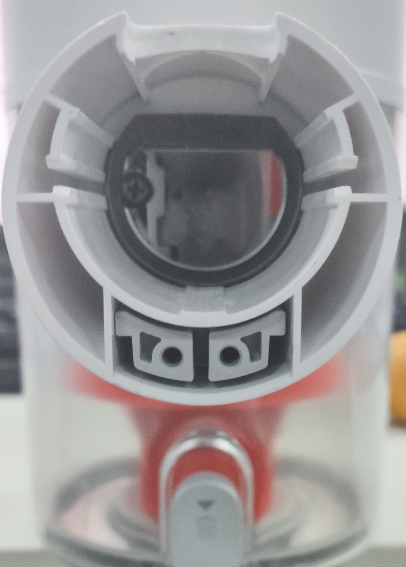
8. Q: What is the purpose of the two small round holes near the vacuum cleaner's air intake?
A: This is the power supply interface for the electronic brush tools. This is where the ground brush and bed brush connect to vacuum to get electric. (In the picture below, the picture on the right shows the power supply port of the vacuum cleaner, and the picture on the left shows the power supply interface of the bed brush).
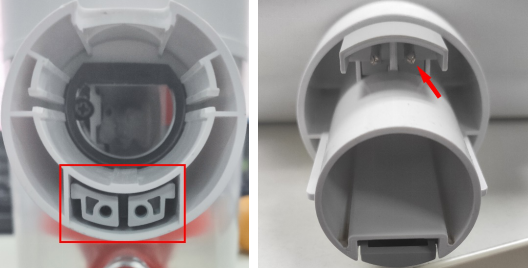
9. Q: The transparent dust cartridge of my Mi Home Hand-held Wireless Vacuum Cleaner has diagonal lines/cracks on its side. Is this normal?
A: The lines at the center of the floor brush and the dust cartridge are not cracks. They are mold parting lines. These mold parting lines will not affect the strength or performance of the vacuum. The hand-held vacuum cleaners made by most other companies also have mold parting lines. The dust cartridge and the floor brush are made using a slide mold. There are 4 molds used for the inside and outside of the dust cartridge. This kind of mold is complicated and expensive to make. The advantage is that the product is reliable and aesthetically pleasing.
Does it help?
Yes
No