

Description:
3D (three-dimensional), usually refers to the spatial dimension, generally refers to the length, width, and height of the space. The space we live in is a three-dimensional space. As a tool for humans to perceive the world, eyes can help humans to image in 3D space. The 3D imaging is produced by the difference in vision between the two eyes of a person. There is generally a distance of about 8 cm between the two eyes (pupils) of a person. For people to see 3D images, the left eye and the right eye must see the difference. The image of the two images creates a certain gap between the two images, which is to simulate the actual human eye viewing situation to deceive the human eye to achieve the 3D effect.
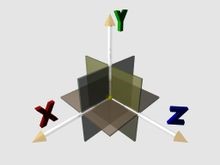
3D (three-dimensional), usually refers to the spatial dimension, generally refers to the length, width, and height of the space. The space we live in is a three-dimensional space. As a tool for humans to perceive the world, eyes can help humans to image in 3D space. The 3D imaging is produced by the difference in vision between the two eyes of a person. There is generally a distance of about 8 cm between the two eyes (pupils) of a person. For people to see 3D images, the left eye and the right eye must see the difference. The image of the two images creates a certain gap between the two images, which is to simulate the actual human eye viewing situation to deceive the human eye to achieve the 3D effect.
Principle:
Based on the human eye's 3D imaging principle, the current 3D implementation methods of display devices such as displays, TVs, and projectors are basically divided into the following types: chromatic aberration 3D technology, polarization 3D technology, shutter 3D technology, and naked eye 3D technology.
3D application on Xiaomi:
The Xiaomi TV currently sold uses the polarized 3D technology (circular polarization technology) mentioned above.