

Function description:
PPI (pixels per inch) represents the number of pixels per inch.
So the higher the PPI value, the higher the density of the display, the higher the image.
Of course, the higher the density of the display, the higher the fidelity, and the richer the detail.
To put it simply, PPI, also known as pixel density, represents the number of pixels per inch of the display screen.
In general, the higher the PPI value, the higher the display screen can display the image at a higher density, and the better the clarity and perception.
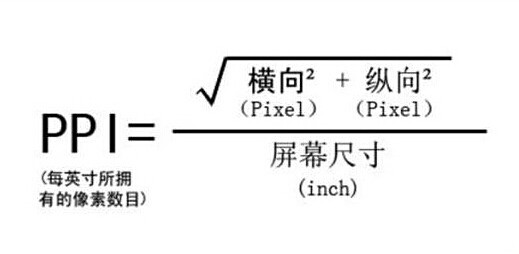
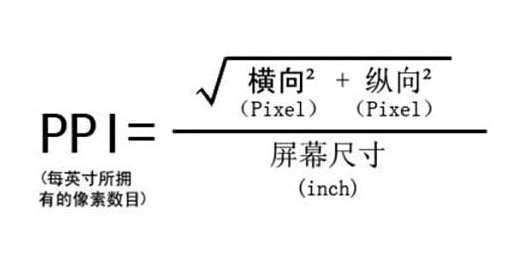
PPI formula:
Comparison of high PPI and low PPI display:
Additional Note:
When the viewing screen is 10-12 inches (about 25-30cm) away, the screen has more than 300 pixels per inch (300 PPI),
and the human retina cannot distinguish the gap between pixels (sense of particles). This screen is also called retina screen.
Application on Xiaomi:
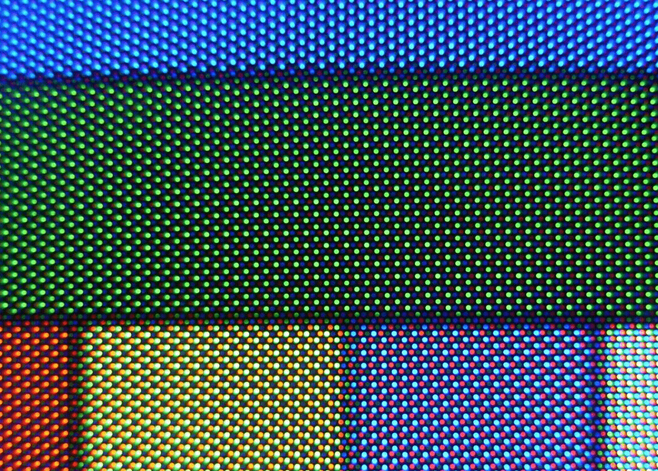
Mi phone and TV products also use the basic principle of trichromatic, but most of Xiaomi's products use the IPS screen
in the cd-TFT backlight screen, where the pixels themselves do not glow and need to be illuminated through a backlight panel and the LCD layer is deflected for occlusion.