

Function introduction:
The main function of light sensor is to sense the intensity of light, and feedback to the handheld device, and automatically adjust the brightness of the screen, so as to achieve the purpose of saving electricity.
Working principle:
The light sensor is composed of two components (the light projector and the light receiver). The light is focused by the lens, transmitted to the lens of the light receiver, and then to the receiving sensor. The receiving sensor converts the received light signal into an electrical signal. This telecommunications signal can further make a variety of different switching and controlling actions. Its basic principle is to use the signal obtained by covering the light between the light recipients in order to complete various types of automatic control.
Application introduction:
1. At present, light sensors are mainly widely used in mobile phones, tablets and other equipment. Take Mi 3 as an example:
The light sensor is located in the middle of the MI logo and the receiver (the same position as the distance sensor). After turning on the "automatic brightness adjustment" function of the mobile phone, when the light sensor feels the external light is strong, the screen will automatically brighten, to display a better visual effect outside; When the light sensor feels that the external light is weak, the screen will automatically dim, which can effectively save electricity and protect the eyes.
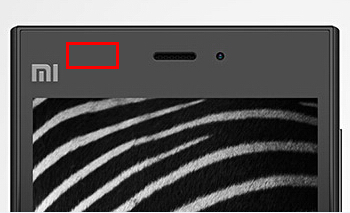
Note:
1. All Mi phone, REDMI phone, Android One, POCO and Mi tablets are equipped with light sensors.
2. If you set the phone to "automatically adjust the brightness", but the screen does not change with the external light, priority should be given to guiding the user into the hardware detection (* # * # 64663) to see if the light sensor is normal. If your mobile phone film obscures the light sensor, it may also cause the light sensor to fail.